
CDS's CEO on the value of adopting Demand API V3
CEO and Founder of CDS, Ziad Minkara, talks about the impact of Demand API V3 for its clients and partners, as well as its partnership with Booking.com



HEADQUARTERS
Paris, France
Region
Industr
y
Solution
IN SHORT
- CDS says that partnering with a high-profile hospitality leader like Booking.com is a must in today's market.
- Demand API V3 offers the best rates and services to clients and partners, while tackling more traveller behaviours through scalability and improved performance.
- Offering a seamless search-and-book experience, the Demand API gives travellers more of what they want and makes it even easier for them to find what they need.
RESULTS
10+ years
Partnership
Data and source to be confirmed
One
Integration for content across brands
Data and source to be confirmed
One
Integration for payment processing
Data and source to be confirmed
I’m Ziad Minkara, CEO and Founder of CDS. We offer a wide range of hotel booking tool solutions and services for corporates and travel management companies (TMC). This includes sourcing hotels, payment solutions, travel and expenses, workflows and other travel policies that our clients demand from us.
For almost 10 years, we’ve been integrating Booking.com solutions for our business travel needs. Our partnership has been key to meeting evolving expectations and providing first-rate experiences for travellers.
We began working with Booking.com in 2015 – partnering with such a high-profile company in our industry is a must. At CDS, we handle corporate travellers and deliver the full power that Booking.com provides, with the know-how to integrate the corporate side.
Benefiting from Demand API V3
The new Demand API V3 perfectly matches CDS’s strategy, and unlocks many opportunities. We’re working together with Booking.com to have one integration for full content – that means Booking.com as well as its sister brands, such as Agoda and Priceline. We also have one integration for online payments – an added value on the market today. So with one integration, we can distribute all content to all TMCs, all online booking tools and all of CDS’s own products.
Since integrating V3, there have been benefits on several distribution fronts. For the traveller, there’s more content and more visibility – they want to be fully informed. On the TMC side, we’ve seen a lot of productivity. Our Customer Success and Support Operations team also has a really good relationship with Booking.com and we have a high standard of service level agreements (SLAs) together.
Ultimately, these factors don’t change anything on the accommodation side but we still produce a lot for them. The revenue share (RevShare) of Booking.com is really high as we’re promoting it without any markup and without blacklisting any hotels. For the TMCs, as long as they get the information they need, they’re satisfied. Everything is available so our clients are really happy with the solutions.
Booking.com monitors the performance of the Demand API on a daily basis. Since V3, we’ve acquired a strong booking tool which works in real-time. We started using this latest version in February 2024, so while it’s early days and we’re still testing, we’re excited.
Being an early adopter
Being a pioneer in the industry is key. In business, you have to be an early adopter, but you have to be confident in what you’re delivering. For us at CDS, we understand the integration for the corporate side, and Booking.com knows the hospitality side – so we can be pioneers without the risk.
If you want to deliver a service today in the hospitality business, you need to partner with a well-known leader. I believe that all my competitors should, and must, integrate Booking.com into their workflow. It’s the solution to a lot of problems. Moving fast to provide a high-end solution for travellers and corporates is paramount.
Connecting with a trusted partner
The impact of having Booking.com in the business is really clear. In the past, you'd visit a hotel, see the rates displayed and that was the bookable rate. Now, the reference point in the hospitality business is the rate that’s distributed by Booking.com. Seeing this rate is advantageous for the traveller, regardless of the tool.
Nowadays, in our business, the travel managers impose tools – we call them online booking tools – but they want the Booking.com rates. So it’s impacted us with the rates, with worldwide content and with a payment solution. And at the end of the day, it gives both parties better brand awareness.
In such a big company like Booking.com, you might imagine a less reactive environment but we work in an agile mode. Between us, we work fast and create multiple iterations, delivering products within a short period. Our team has been really engaged in this partnership.
This case study was originally published by Booking.com prior to the formation of Booking Partner Division. The business and capabilities referenced are now part of Booking Partner Division.
If you want to deliver a service today in the hospitality business, you cannot deliver it without partnering with the leader. I believe all my competitors should and must integrate with Booking.com.






How Affirm is increasing conversion with the Connected Trip
Discover how Affirm is making the most of Booking.com’s Connected Trip to deliver what consumers are looking for – a one-stop shop for travel.
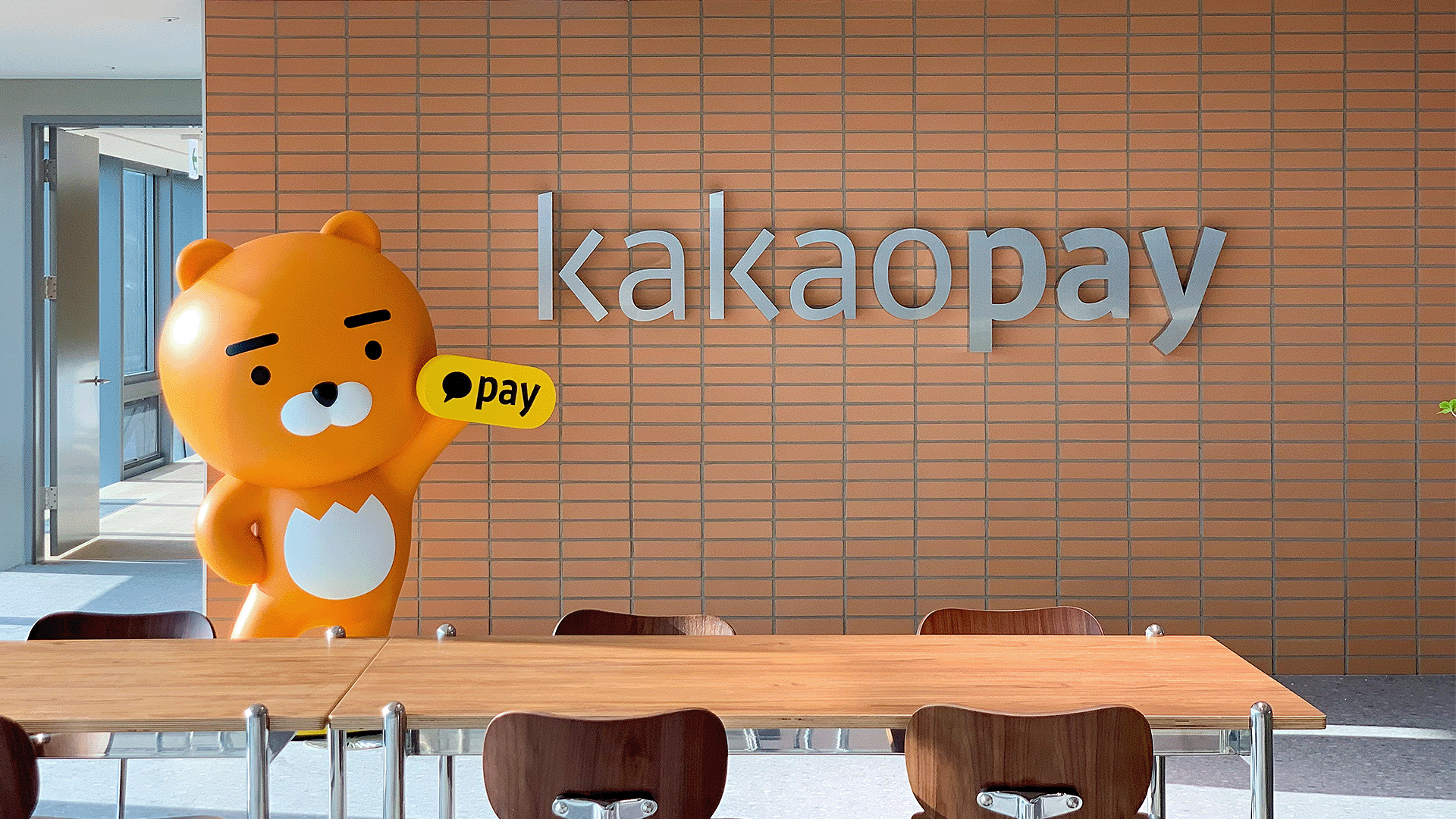

How Kakaopay Drove 40% Booking Growth Through Strategic Travel Partnerships
See how Kakaopay and Rocket Travel by Agoda used timely travel discounts to drive 40% booking growth and bring 17,800+ new Kakaopay users to Agoda.


How Huno Group unlocks incremental demand with third-party inventory
Discover how Huno Group’s partnership with Booking.com and Booking.com third-party inventory drives growth and customer satisfaction worldwide.